
"arabica coffee farming"
5000 article(s) found

General knowledge of Coffee Culture African Coffee Native Americans like to chew Coffee & #8206
One thing I am very curious about is that coffee comes from Africa, but in many parts of Africa, especially in small towns and villages, few people drink coffee. This time I visited the hometown of Uganda, which is rich in coffee, and this question can basically be answered. In the village of Budadiri in Mombali, a small town near the Kenyan border in Uganda, there are many coffee farms, so-called farms, but

History of introduction and expansion of Coffee in China in the early stage of Coffee Development (5)
1. From the first peak period of the development of China's coffee industry (1952-1961) to the late 1940s, according to recorded figures, there are 2173.33 hectares of rubber plantations in Hainan Island, with a total of 867600 rubber trees, with an annual output of 199,000 tons of dry rubber, and more than 300,000 coffee plants. the annual output of coffee beans is 1 ton. According to a survey in the early 1950s, there was a large amount of coffee left in Fushan area of Chengmai County, with a total of 70,000.

Burundi COE Champion bidding batch Kibingo processing Plant Coffee Bean Story _ Burundian Coffee recommendation
Professional coffee knowledge exchange more information about coffee beans Please follow the coffee workshop (Wechat official account cafe_style) Burundi is a land with a long coffee tradition. Its high altitude, thousands of hills, volcanic soil and abundant rainfall provide ideal conditions for the production of special and exotic coffee. In Burundi, there are no large plantations. The coffee is actually small.

Uganda AA Coffee | Coffee from Cloud Waterfall Farm in Bugison is full of wild African flavor.
Uganda is located in the source of the Nile is a landlocked country not off the sea in Africa, a country with lush green forests, lakes, wetlands and rivers rich in water resources, almost all administrative areas grow coffee, it is the tenth largest producer in the world, but generally people do not know much about it, because the quality is somewhat different from that of other East African beans, because the terrain is difficult after coffee harvest.
The Kona Arabica species in Hawaii has become the top boutique coffee in the world.
Hawaii is the 50th state in the United States, 2400 miles from the west coast of the United States, and is the only state in the United States that produces coffee. Kona coffee beans produced in Hawaii are the most beautiful coffee beans in the world. it is extremely full and shiny. Kona coffee beans have an average neat shape, medium acidity and mellowness, pure taste, slightly floral flavor, rich silky taste, bitter taste and aftertaste.

The quietly growing coffee industry in Southeast Asia Yunnan small-grain coffee is the favorite of big international brands.
Professional coffee knowledge exchange more coffee bean information Please pay attention to the coffee workshop (Wechat official account cafe_style) We have always thought that the world coffee producing area should be mainly in Central and South America. Asians are slow to ripen coffee, and the main consumption is tea culture. Once upon a time Vietnam was the second largest producer in the world, while Yunnan, China, was also eager to catch up, and its quality

Cameroon boutique coffee cooperative introduction: Boyo cooperative PB round beans
Professional coffee knowledge exchange more coffee bean information please follow the coffee workshop (Wechat official account cafe_style) is suitable for espresso deep-roasted coffee beans. The cultivation of Arabica coffee trees in Cameroon (Cameroon) began in 1913 as the Blue Mountain Coffee from Jamaica, but the country also produces large quantities of Robbins coffee. The quality, characteristics and production of Cameroon Coffee

What are the conditions for growing coffee varieties? Do political factors affect coffee varieties?
Do you know and calculate the approximate cost of growing coffee? How do coffee farmers decide what kind of coffee beans they will grow on their farm to maximize their economic benefits? Do they grow whatever coffee they want, or are they constrained by conditions? Now Front Street Coffee takes you through several factors that influence farmers 'decisions about which coffee varieties to grow. we know

Ecuador coffee industry giant-Acklin agricultural association selected small farmers batch flavor introduction
Professional barista exchanges, please pay attention to coffee workshop (Weixin Official Accounts cafe_style) Ecuador-Aclin Agricultural Association-washing treatment method Ecuador has infinite potential, the coffee produced has exotic flavor, and the quality is also worthy of recommendation. However, the biggest problem at present lies in the output. Ecuador's annual coffee export volume is only 100 containers (1 container = 40,000 pounds) of washed Arabica.
Introduction to the grading characteristics and Flavor of Ugandan AA Coffee beans Coffee cultivation in Yunfu Farm in Bujisen
Uganda is located in the source of the Nile is a landlocked country not off the sea in Africa, a country with lush green forests, lakes, wetlands and rivers rich in water resources, almost all administrative areas grow coffee, it is the tenth largest producer in the world, but generally people do not know much about it, because its quality is similar to that of other east.

Visiting Antigua Coffee Manor in Guatemala is simply Arabica grafted Robusta Coffee Tree
For professional baristas, please follow the coffee workshop (Wechat official account cafe_style) Antigua, Guatemala, when I was looking for information about Cacicero in order to hold a coffee lecture, I found a picture on the Internet showing a charming ancient city with a misty volcano behind, as if I were in heaven, for those of me who love Guatemalan Antigua coffee.
Walking into Africa, the hometown of coffee
One thing I am very curious about is that coffee comes from Africa, but in many parts of Africa, especially in small towns and villages, few people drink coffee. This time I visited the hometown of Uganda, which is rich in coffee, and this question can basically be answered. There are many coffee farms in the village of Budadiri in Mombali, a small town near the Kenyan border in Uganda.

"Waykan" in the province of Chiche, Guatemala, United Farm Vivetna Fruit
Coffee has saved the Guatemalan economy in the past century. It is estimated that there are about 120000 thousand producers, accounting for 40% of agricultural exports. As many as 20 of 22 provinces are engaged in coffee cultivation. Almost all areas have coffee beans, 98% have shade, almost by Arabica.

Introduction to the description of varieties and flavors of Kam Chu Valley Coffee in Kenya with Fruit Flavor
China Coffee Network Kenya there are two types of coffee farms in Kenya. One is a large planting farm covering more than five acres, but the average elevation is low. In the case of Kenyan Coffee, the coffee beans of the big farm are of medium quality. The best Kenya beans are produced in small farms, most of which are located in the foothills or volcanic slopes above 5,000 to 6,000 feet. Each small farmer has only 20 to 7 production capacity per season.

Nicaraguan Coffee Bean Flavor description _ Nicaraguan Coffee production Story _ Nicaraguan Coffee drinking method
Professional coffee knowledge exchange more coffee bean information please follow the coffee workshop (Wechat official account cafe_style) Ecuadorian coffee potential, the output of coffee with exotic flavor, quality is also recommended, but at present the biggest problem is production, Ecuador's annual coffee exports, only 100 containers (1 container = 40, 000 pounds) of washed Arabica coffee

Panama Santamaria Coffee Farm-Flavor of Kadura Coffee Beans? Santamaria Cardo
Professional coffee knowledge exchange More coffee bean information Please pay attention to coffee workshop (Weixin Official Accounts cafe_style) Panama Santamaria coffee farm-Kadura coffee bean flavor? How do Santamaria Kadura varieties get hand-washed? Santamaria Estate Coffee Farm is located in Paso Ancho, Cerro Punta, Bugaba District, Chiriqui Province, Brazil. planting

Kenya Coffee Manor Berman Manor introduction to Kenya Coffee Flavor Taste Manor
Established in 1950, Kenya DORMANS (Berman Manor) is one of the largest coffee producers in Kenya. DORMANS offers the highest international level of Kenyan specialty coffee (Specialty Coffee), 100% Arabica coffee beans from a single producing area, and real gourmet coffee (Gourmet Coffee). Kenyan coffee enjoys a high international reputation because of its excellent quality.
Top boutique coffee from all over the world what is the difference between boutique coffee in different countries and regions
The ideal conditions for the growth of coffee trees can be found all over the world, located in the equatorial zone between 25 degrees north latitude and 30 degrees south latitude, known as the bean belt. Fussy Arabica coffee grows best in high-altitude fertile soil, while healthier robusta coffee prefers higher temperatures and thrives on lower ground. From the species of plants, the chemical composition of soil,
Where is the world's best coffee produced? what's the difference in the taste of all kinds of coffee?
The ideal conditions for the growth of coffee trees can be found all over the world, located in the equatorial zone between 25 degrees north latitude and 30 degrees south latitude, known as the bean belt. Fussy Arabica coffee grows best in high-altitude fertile soil, while healthier robusta coffee prefers higher temperatures and thrives on lower ground. From the species of plants, the chemical composition of soil,
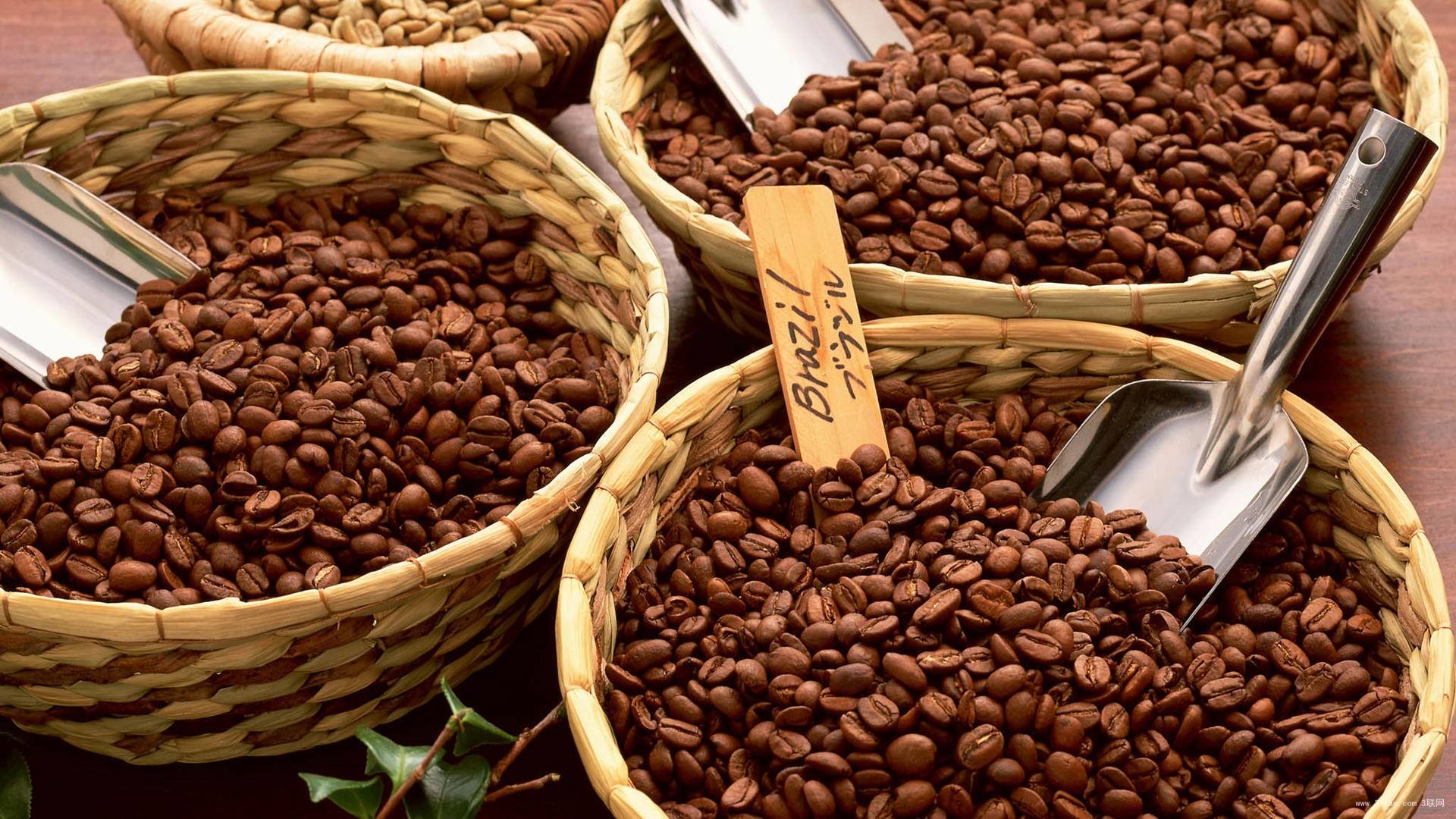
The origin of Kenyan coffee beans, an introduction to Kenyan coffee
Follow the caf é (Wechat official account vdailycom) found that the beautiful cafe opened its own shop Kenya Coffee from Kenya Coffee-introduced Kenyan coffee to the north of Kenya, the origin of Arabica coffee trees in Ethiopia, but did not engage in coffee cultivation until the beginning of the 20th century. Missionaries introduced Arabica trees from Yemen in the 19th century, but did not plant a large number of them.